Five games ago, Minnesota morphed into a completely different team and, in doing so, obliterated San Jose. The next week, they kept the new face, and one bad call and one mental lapse turned a home win into a draw against Orlando. A week later, they gave the game to Portland, stole it back, lost it again, and couldn’t quite finish the second comeback. A wildly engaging, if slightly disappointing, 1.33 PPG stretch that was actually much better than their season average of 1.16 PPG.
The loudest criticism of that three-game stretch, in which they scored 12 goals and allowed nine, was that Minnesota was getting torn open on the break and giving opponents too many good chances. Watching the games I understand how it could feel that way, but it doesn’t really bear out in the data.
Below is a table of the last seven games: the three high-fliers and the two games on either side of them:
| Opponent | Result | Opponent xG | Minnesota xG | Opponent Big Chances | Minnesota Big Chances |
| St. Louis (Away) | 4-2 Loss | 2.85* | 1.75* | 4 | 3 |
| Dallas (Home) | 2-1 Loss | 2.31 | 1.04 | 5 | 2 |
| Portland (Away) | 5-4 Loss | 3.19* | 2.98 | 6 | 8 |
| Orlando (Home) | 3-3 Draw | 1.25 | 3.58 | 3 | 6 |
| San Jose (Away) | 5-1 Win | 1.84* | 2.00 | 4 | 6 |
| Atlanta (Home) | 2-1 Loss | 0.95 | 2.11 | 2 | 6 |
| Salt Lake City (Away) | 1-1 Draw | 2.39 | 2.05 | 4 | 5 |
Orlando was an aberration because they scored on every single big chance they created; Portland was just a very weird game. Neither of them on their own required the team to change mentality, but coming back-to-back, they felt like blogger portends than they probably were.
Nevertheless, it’s understandable that the coaching staff may have felt like the issues that were leading to goals were going to to take some time to correct and didn’t want to risk giving one of the best attacks in MLS any more chances than they were going to create for themselves.
F.C. Dallas is level with Nashville on goals per game at 2.0, only Miami, Vancouver, and Cincinnati are better. The decision to abandon what had produced the best Minnesota United performances since the World Cup break in favor of a scheme closer to the one they’d been employing previously was a pragmatic, explainable one.
It was also very wrong.
The Loons looked as bad against Dallas as they have looked since the 6-0 beating they took in Vancouver. They were lifeless. Offensively, they did not appear to have a plan to score from open play and their set piece routines seemed to be built around near-post flick-on headers, adding needless complexity that produced nothing. They gave up an offensive flow for defensive solidity and, in the end, got neither.
Minnesota is nowhere near the bunker-and-counter team they were last year, though they can revert to it when they need to. When they hosted Seattle in March, the Sounders were irate at the anti-football Minnesota played. Here’s how that looks on a heatmap:
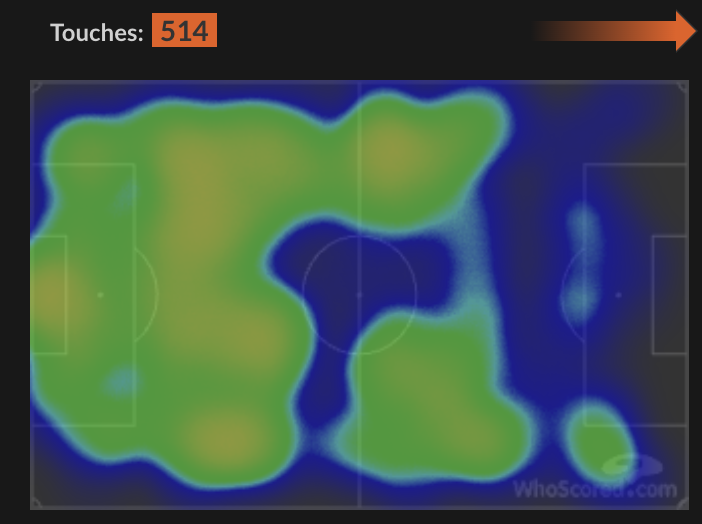
Against Dallas, Minnesota had 51% possession, so they weren’t bunkering — Dallas wasn’t about to let them do that — but it didn’t matter. They still weren’t creating anything dangerous. Here’s how their heatmap looked:
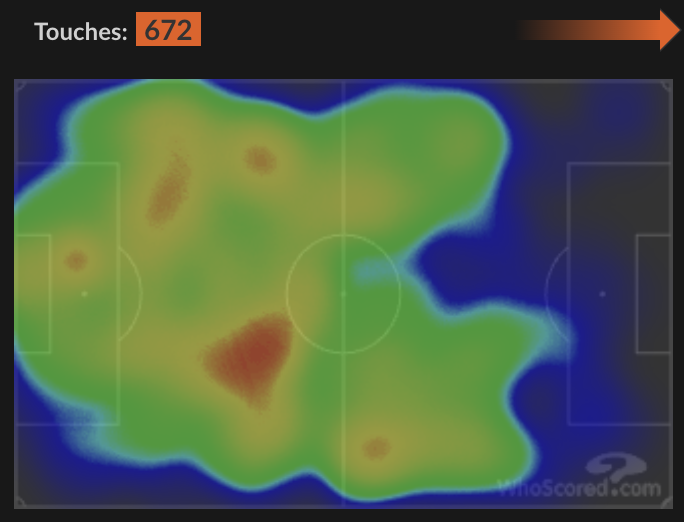
The gameplan was neither one thing nor another and the effect is clearly visible. It would have been visible from space. Players looked lost, expected passing lanes weren’t there, and Dallas pushed forward without much opposition.
Just 10 minutes into the game, it was clear: The Loons were overthinking everything. Every pass was slow, every move was complicated, and the fluidity that they’d developed over the last three games was nowhere to be seen.
Dallas didn’t seem to have much of a plan either, but they were first to every ball, jumping into passing lanes, and punishing the Loons’ mistakes. Petar Musa wasn’t even in the gameday 18 and it didn’t matter. Dallas outplayed Minnesota in every facet of the game. Wil Trapp led multiple attacks, which isn’t a complaint about him or his choices, but it is an indictment of the gameplan that he was the best option to do so.
Losing in St. Louis on Saturday was unfortunate but not unpredictable. The Fightin’ Imos have been on a tear and Minnesota is still in search of themselves. While they didn’t repeat the failures of the Dallas game, they did play notably more conservatively. As has been the issue for most of the year, they gave up goals anyway without being in position to score their own.
A few more weeks like this one and the Loons’ season is over; even MLS’ overstuffed playoffs won’t save them. And yet, I’m less disappointed by the results than the process. Minnesota looked like they’d found something that worked though it was very raw, but instead of continuing to refine it, they went back to what was safe. They played not to lose.
A lost season isn’t the worst thing in the world, they happen to every team. The greater risk for Minnesota is wasting their opportunity at the end of this season to find something that will work going forward in favor of trying to limp into ninth place. This weekend’s game against LA is a must-win, how the team approaches it will tell us a lot about how they intend to finish the year.